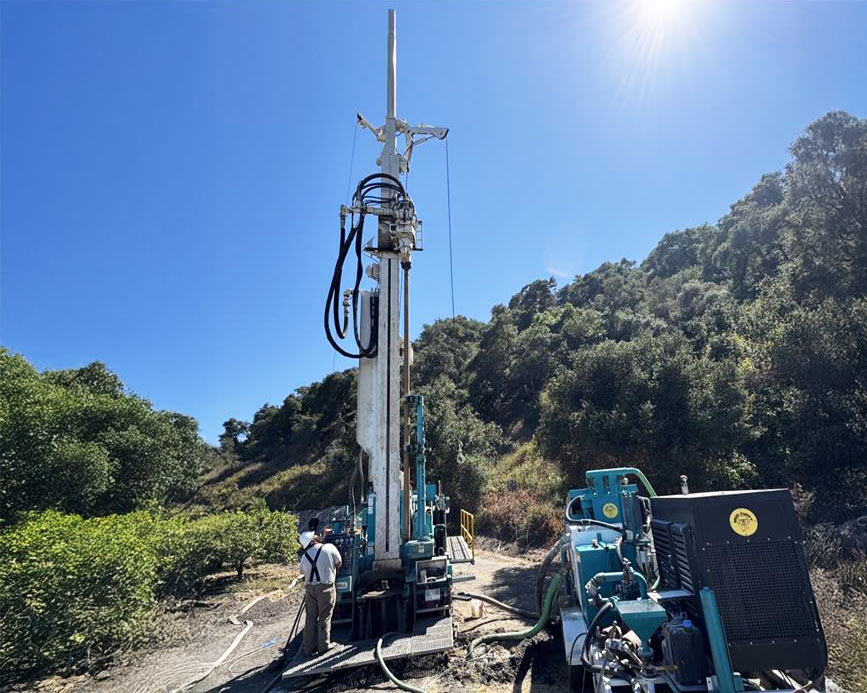
In the drilling industry, there’s no substitute for real-world experience. From geothermal wells to water exploration projects, the worksite is a dynamic environment where small mistakes can lead to costly downtime. While classroom learning and technical manuals provide a strong foundation, nothing matches the impact of hands-on training delivered directly on site by seasoned technicians. At Bore Logic, we’ve seen time and again how investing in field training not only improves safety but also maximizes production.
Why Field Training Matters
Drilling is as much an art as it is a science. Every formation, every rig, and every project presents unique challenges. By working directly alongside experienced professionals, new drillers gain a deeper understanding of how to adapt their techniques to real-world conditions. This kind of training accelerates learning, turning theory into practice and helping crews build the confidence needed to make quick, informed decisions.
More importantly, on-site training ensures that crews are using equipment properly. Misuse of equipment & tooling can lead to costly mechanical failures, and unnecessary downtime. A technician showing correct usage in the field provides immediate feedback, eliminating bad habits before they become routine.
Safety as the First Priority
Safety is the cornerstone of every successful drilling project. Unfortunately, accidents often happen when teams are unfamiliar with equipment or skip crucial steps in the interest of speed. Hands-on training emphasizes safe practices in real-world scenarios, reinforcing protocols that keep crews protected.
For example, technicians can demonstrate proper rod handling, safe pipe connections, or the correct way to troubleshoot a malfunction without putting the team at risk. When drillers learn safety directly on the job site, these lessons stick—because they’re tied to tangible equipment and live drilling conditions. This reduces the chance of accidents and ensures crews return home safely at the end of the day.
Reducing Costly Downtime
Every minute a rig sits idle due to breakdowns or mistakes is a hit to the project’s bottom line. Training in the field equips drillers with the knowledge to recognize issues before they escalate. Whether it’s catching early signs of rod fatigue, identifying misaligned tooling, or understanding the impact of improper fluid circulation, experienced technicians help crews troubleshoot quickly and effectively.
By learning these skills hands-on, drillers become proactive rather than reactive. The result? Fewer breakdowns, less downtime, and smoother project delivery. In an industry where time is money, this advantage is significant.
Building a Stronger Team
Beyond individual skill, field training strengthens teamwork. When crews learn together in real-world conditions, communication improves, roles become clearer, and efficiency increases. A team trained by seasoned professionals develops a shared understanding of best practices, which carries over to every project.
Conclusion
Investing in driller training isn’t just about improving technical skill—it’s about building safer, more efficient crews and reducing downtime that can derail a project. Hands-on training in the field is the most effective way to prepare drillers for the challenges they’ll face daily.
At Bore Logic, our technicians bring years of real-world drilling experience directly to your site. From service and repairs to training that empowers your crew, we provide the expertise that keeps your rigs running and your projects on schedule.