Geothermal drilling is the engineered process of creating wells deep into the Earth to access its stored heat, a renewable energy resource that flows continuously from the Earth’s interior toward the surface. Drilling these wells allows subsurface heat to be captured as steam or hot water for electricity generation, space heating, or direct thermal use.
The Purpose and Applications of Geothermal Drilling
At its essence, geothermal drilling creates a borehole that connects the surface to hot rock and fluid reservoirs below the Earth’s crust. Once accessed, this heat energy can be used in several ways depending on project goals and system design.
Primary Uses of Geothermal Energy
- Electricity generation: Steam or hot water drives turbines in geothermal power plants.
- Direct heat for buildings and industry: Heat can be used to warm buildings, greenhouses, and industrial systems.
- Heating and cooling via geothermal heat pumps: Ground-source heat pumps use stable subsurface temperatures for HVAC systems.
Well depths vary from comparatively shallow systems (often used for heat pumps) to multi-thousand-foot geothermal production wells that support electricity generation and large-scale direct heat use.
How Does Geothermal Drilling Work?
While every formation is different, most geothermal well drilling follows a defined sequence to support safety, efficiency, and long-term well integrity.
1. Site Evaluation and Subsurface Analysis
Before a geothermal drill rig is deployed, engineers evaluate geological and thermal conditions to determine the right drilling plan. Typical evaluation includes:
- Subsurface heat gradients
- Rock type and formation stability
- Groundwater and environmental constraints
These inputs help define target depth, drilling approach, and the geothermal drilling equipment required for the job.
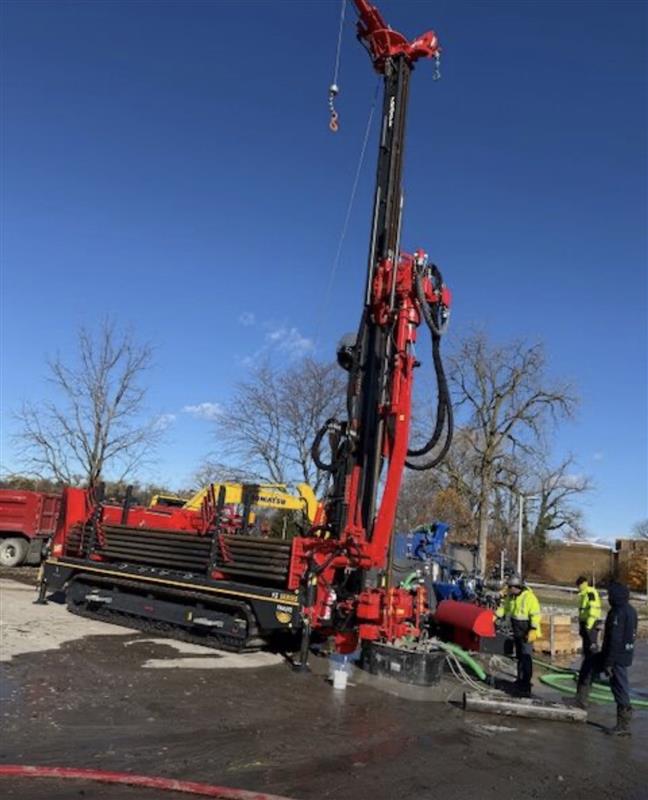
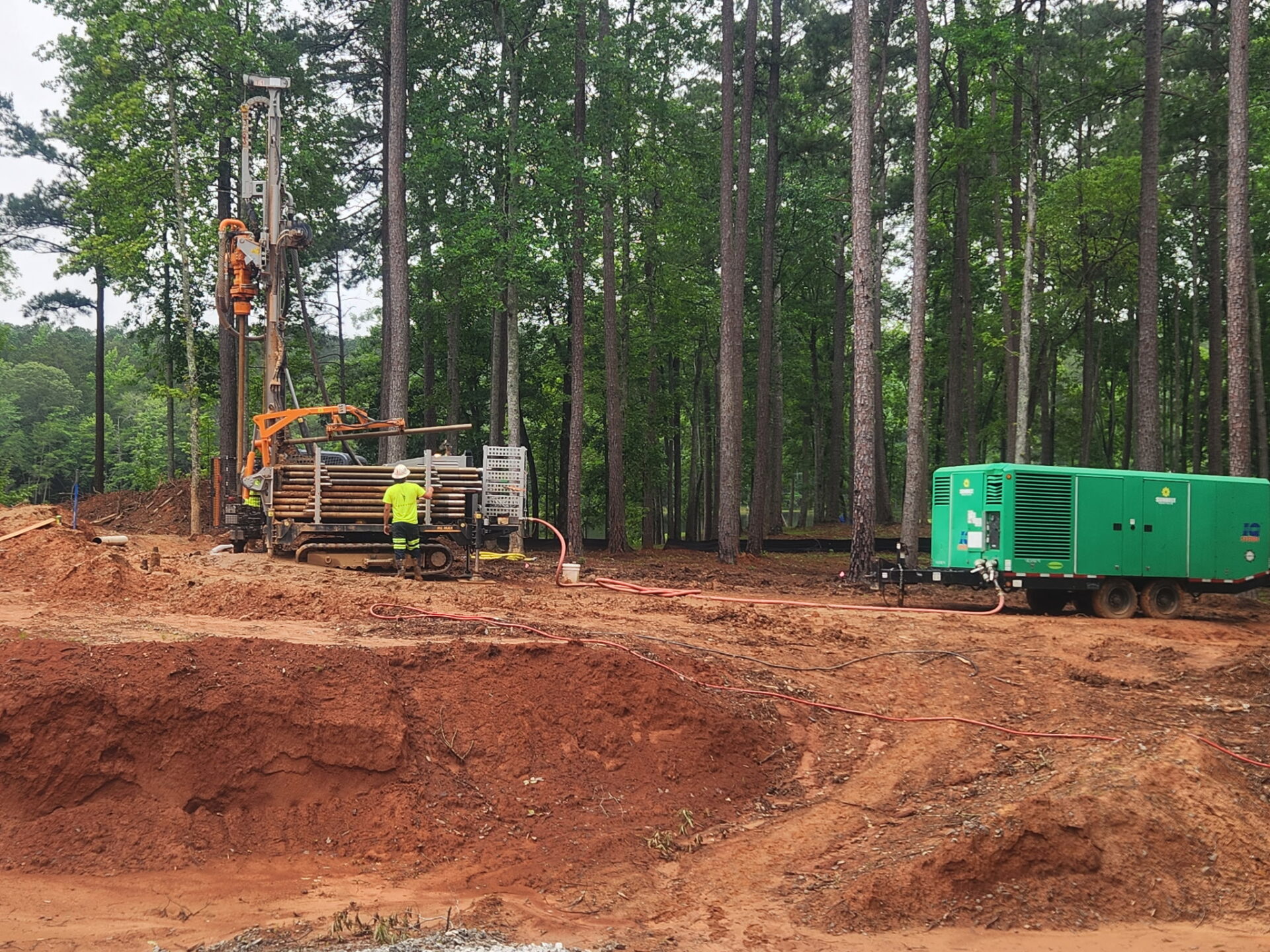
2. Drilling the Geothermal Well with a Geothermal Drill Rig
Specialized geothermal drill rigs are used to drill through soil and rock to the target heat resource. Geothermal drilling commonly requires:
- High-torque rotary drilling systems
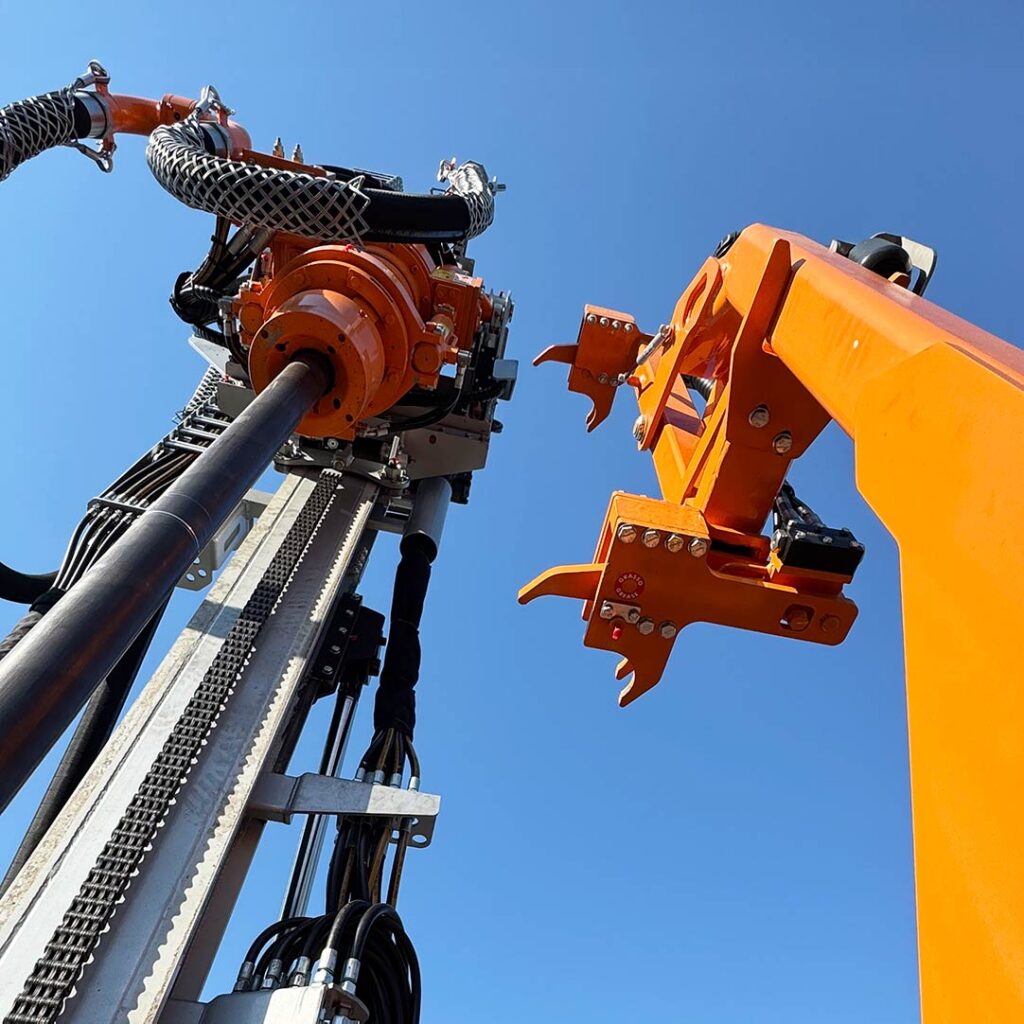
- Heavy-duty drill rods, stabilizers, adapters and bits optimized for hard rock
- Drilling fluids designed to maintain borehole stability under heat and pressure
Precision drilling matters as the borehole gets deeper and conditions become more demanding—especially in hard rock where tooling wear accelerates.
3. Casing and Cementing for Long-Term Well Integrity
After drilling reaches depth, steel casing is installed to support the wellbore, protect groundwater zones, and isolate different geological formations.
Cement is then pumped into the annulus (the space between casing and the borehole wall) to lock the casing in place and preserve long-term integrity.
4. System Installation and Commissioning
Following drilling and casing, the well is completed with the systems needed for the project—such as production piping, injection piping,
circulation equipment, or heat exchange components. The full system is tested and commissioned for continuous operation.
Source: https://www.energy.gov/hgeo/geothermal/geothermal-faqs
What Is Geothermal Well Drilling Used For?
Geothermal drilling enables a range of clean energy applications, including:
- Geothermal power plants that produce electricity from subsurface heat
- District and community heating systems that provide efficient space heating
- Ground-source heat pumps for residential and commercial heating and cooling
- Industrial thermal applications, including greenhouse heating and direct-use process heat
Each application can require different drilling depths, well diameters, and construction standards to match geological conditions and thermal output goals, making well design and execution essential.
How Is Geothermal Drilling Different from Conventional Drilling?
Geothermal drilling shares basic drilling fundamentals with water well and oilfield drilling, but geothermal wells introduce distinct performance demands:
- Continuous energy resource: Subsurface heat is consistently available, supporting dependable thermal output.
- Long service-life expectations: Geothermal wells are built for decades of operation with strong well integrity.
Because of this, a geothermal drill rig and its tooling must be engineered for durability, precision, and efficiency under heavy loads.
Why Is Geothermal Drilling Important?
Geothermal drilling is a foundational part of expanding renewable energy and efficient heating. Properly constructed geothermal wells support:
- Reliable, baseload renewable energy
- Efficient heating solutions for buildings, campuses, and communities
- Long-term operational stability with low emissions
As demand grows for clean power and efficient heating, geothermal well drilling—and the performance of the geothermal drill rig, becomes increasingly important to project success.
Contact Us to learn more about the solutions Bore Logic is bringing to the Geothermal Drilling Industry